What Does a Runner Do on a Film Set?
A runner is the most junior member of a film or TV crew and the usual way in. Here's what the job involves, what a typical day looks like and how to get your first runner job in the UK.
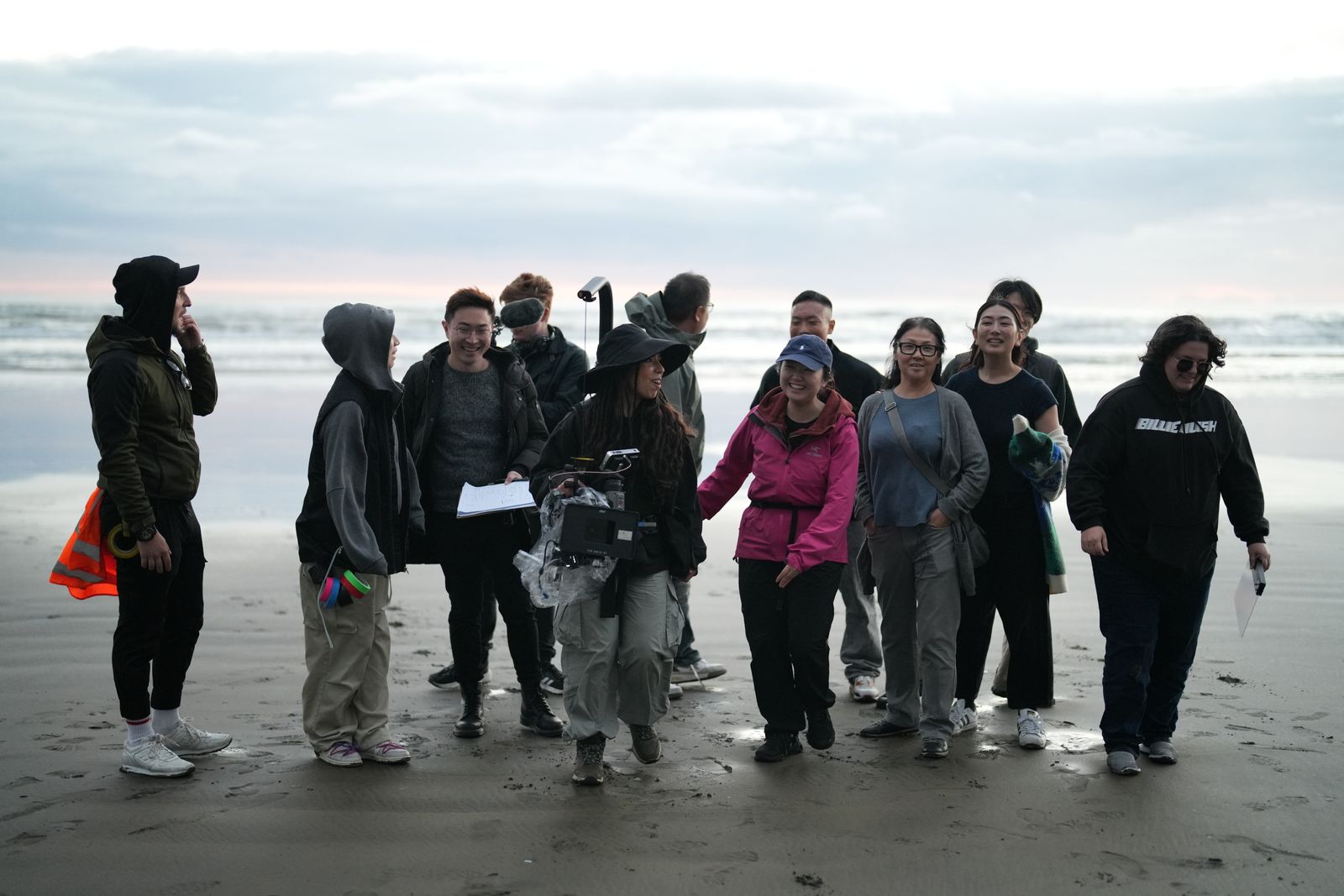
Photo: Lexy Wei on Pexels
A runner is a production's general assistant: the most junior member of the crew, who does whatever practical jobs keep the shoot moving. If you're asking what a runner does on a film set, the short answer is errands, paperwork, driving and looking after people, all at the pace the shoot sets.
It's also the most common first job in film and TV. This guide covers the main duties, what a day looks like, the hours and pay to expect, and how to get your first runner job in the UK without a contact in the industry.
What a Runner Actually Does
The National Careers Service lists the core duties. Runners answer calls and emails, pass on messages, run errands, and file, photocopy and distribute filming paperwork. They check that actors and guests are available, keep stationery stocked, track expenses and help with script reports and read-throughs. They also look after cast, crew and guests, which includes making sure people have refreshments.
Prospects adds the practical side: hiring props, ordering stock, handling petty cash, driving cast, crew or equipment, setting up shoot locations and acting as the first point of contact for talent. Some runners also transcribe tapes, do basic research or write shot lists.
The unifying idea is that you remove small problems before anyone senior has to think about them. A runner who has the right keys, the right cash and the right phone number at the right time is doing the job well.
The Different Kinds of Runner
"Runner" covers several jobs, depending on where you're placed.
- Production office runner: based in the office, handling post, deliveries, paperwork, supplies and errands between the office, the set and locations.
- Set runner: on the shoot itself, often alongside the assistant directors' team, whose job includes getting people where they need to be.
- Department runners: some departments take their own runners, and BECTU's branch structure reflects that.
BECTU, the entertainment industry's union, makes the same point from the other side: runners usually join the branch for their department, so an assistant directors' runner joins the assistant directors' branch.
For a sense of how it fits together, ScreenSkills made a virtual reality tour that puts you in the role of a production runner on a first day at Pinewood Studios. Its guide is a third assistant director, who takes you through the art department, camera, hair and make-up, sound and the video village where the director and producers watch the action. Even without the headset, that list of places is a good picture of where a set runner ends up in a day.
A Typical Day
No two days match, but a shoot day usually has a shape.
- Early start. You arrive before the main crew, often at base camp, to find out the plan and any changes.
- Set-up. You carry messages, collect and deliver items, and make sure cast and crew know where they should be.
- Shooting. The job becomes constant small requests: a prop, a signature, a car for an actor, drinks for the team.
- Wrap. You help clear up, return what was borrowed and make sure paperwork reaches the office.
Office days follow the same logic: a morning of post and deliveries, errands in the afternoon, and photocopying and distributing the next day's call sheet and other paperwork.
The runner's job is to remove small problems before anyone senior has to think about them.
FILMD
Hours, Pay and Conditions
The honest picture is demanding. The National Careers Service gives typical hours of 40 to 55 a week, with evenings, weekends, bank holidays and time away from home all possible. Prospects says hours are long and unpredictable, often up to six days a week during production.
Pay is harder to pin down. Neither official job profile gives a figure. Runners are usually freelance, so work is irregular. BECTU's guidance says runners should seek rates that reflect insecure, infrequent work, and negotiate above the minimum wage or the real Living Wage, which both assume full-time, year-round work.
Its advice on terms is worth following to the letter:
- Get terms in writing before you start, including daily or weekly hours, overtime rates, notice and sick leave and holiday arrangements.
- Watch for a day rate with no stated hours. BECTU warns this can lead to unpaid extra time, which can push your effective pay to or below the legal minimum.
- Check the rate card. BECTU publishes rate cards, and it advises runners to check that the card for their branch includes runner rates. Look up the current one rather than trusting a figure from an article.
BECTU also says runners and other junior grades should receive the same treatment as higher grades, free from bullying and harassment. It offers discounted membership for runners and new entrants, and a Runners Charter that employers can sign, although the charter isn't legally binding.
Skills and Requirements
You don't need a degree. The National Careers Service lists relevant courses and a Level 3 Production Assistant apprenticeship, and the broadcasters (the BBC, ITV and Channel 4) run apprenticeships and placements, but employers often put attitude ahead of qualifications.
What they do ask for:
- A driving licence and access to a vehicle, usually, especially for location work.
- Organisation and attention to detail: you'll hold a lot of small facts at once.
- Calm under pressure, and clear, friendly communication.
- Reliability and availability at short notice, which Prospects names as a key thing employers look for.
- First aid and health and safety training, which Prospects says can help you stand out.
Read our guide to film set etiquette before your first day. It covers the unwritten rules that matter most when you're new.
How to Get Your First Runner Job
Few runner roles are advertised, and Prospects says networking and approaching production companies directly are important. A practical route looks like this.
- Get on a set of any size. Student films, community productions and short films all count as evidence that you turn up and work hard.
- Apply to ScreenSkills Trainee Finder. ScreenSkills' scheme places people with little or no experience on paid entry-level placements. Check screenskills.com for the current round and its eligibility, as the scheme changes each year.
- Write to production companies. Send a short CV and a two-line message. Tyron Francis D'mello found a role as an office and production runner when a talent organisation sent his CV to a company hiring a temporary office runner.
- Use online communities and job boards. Melissa Cofie, later a production assistant, asked for help in the Facebook group Runners in Film and TV during a quiet spell, and producers got in touch. Prospects lists Broadcast Jobs and Mandy as places to look.
- Follow up. Nadina Narain, who joined Trainee Finder and became an art department assistant, sent her CV and portfolio straight away and followed up every few days until she had a video interview.
Those accounts come from a 2022 Creative Lives in Progress feature, and the routes differ. What they share is persistence.
Few runner roles are advertised, so the people who get them are usually the ones who got in touch first.
FILMD
Where a Runner Job Leads
Prospects describes runner as an entry-level role that many people spend up to three years in. The usual route on the production side is researcher, then production assistant, assistant production co-ordinator and production co-ordinator. In film, runners often move up to head runner and then to assistant roles. Later steps include assistant producer, director and producer.
Our guide to the first assistant director shows where the set runner's path can lead. If you want to compare ways of finding crew work, see our review of platforms for finding freelance film crew.
On FILMD, every job is free to see and apply for, for every member, and the members map shows filmmakers near you who you could message about getting on a set. Every member can start new conversations within a monthly allowance, and replies never count towards it. Browse what's open at /jobs.
Final Thoughts
A runner does the practical jobs that let everyone else do theirs, and the job is demanding, freelance and often poorly paid. It's also a real way in, and you don't need a degree to get there.
Get on a set this month, find out whether a trainee scheme is open, and write to three production companies before you're asked.
Questions
- Do you need a degree to be a film runner?
- No. The National Careers Service says a degree isn't essential, and employers often value enthusiasm, initiative, organisation and punctuality over formal qualifications. Practical experience on student or community productions counts for more than most course certificates.
- Do you need a driving licence to be a runner?
- Usually, yes. The National Careers Service says a driving licence and access to a vehicle are normally required, especially for work on location. Not every runner role involves driving, but many do.
- How much do film runners get paid?
- It varies, and official job profiles give no single figure. Runners are usually freelance, so BECTU advises asking for a rate above the minimum wage or Living Wage and getting daily or weekly hours, overtime and holiday terms in writing before you start.
- How long do people stay runners?
- Prospects says many people spend up to three years in the role. The usual next steps are researcher, production assistant and production co-ordinator on the production side, or assistant roles in the assistant directors' team.
Sources
- nationalcareers.service.gov.uk/job-profiles/tv-or-film-production-runner
- prospects.ac.uk/job-profiles/runner-broadcasting-film-video
- bectu.org.uk/get-involved-in-the-union/runners-branch
- creativelivesinprogress.com/articles/four-runners-on-how-they-landed-their-first-roles-in-the-film-world
- provideocoalition.com/screenskills-first-day-on-set-a-virtual-tour-of-a-production