FILMD Logo

How Colour Influences Mood in Film

Colour is one of the most powerful storytelling tools available to filmmakers, yet it is often discussed only at a surface level.

Contents

Contents

Colour is one of the most powerful storytelling tools available to filmmakers, yet it is often discussed only at a surface level. Many audiences recognise that certain films “feel” warm, cold, dark, or vibrant, but they rarely consider how deliberately these emotional reactions are constructed. Behind every colour choice lies an intention that shapes how viewers experience a story. Understanding how colour influences mood in film means recognising that colour is not simply decoration. It is narrative language. Just as dialogue communicates character motivations and camera movement guides attention, colour directs emotional response. It can subtly guide viewers toward tension, comfort, unease, nostalgia, or melancholy before a character speaks a single line.

From costume and production design to lighting and colour grading, filmmakers use colour to influence perception at every stage of production. These decisions accumulate to create a psychological environment that audiences absorb instinctively rather than consciously analysing.

For filmmakers, learning how colour shapes emotion is not just an aesthetic exercise. It is a storytelling skill that can dramatically change how a film is felt as well as how it is seen.


Colour as Emotional Language

To understand how colour influences mood in film, it is useful to think of colour as a form of emotional language. While dialogue communicates ideas and plot communicates movement, colour communicates feeling.

Human perception of colour is deeply connected to psychological and cultural associations. Warm colours such as reds, oranges, and yellows often evoke energy, urgency, or intimacy. Cooler tones like blues and greens tend to suggest calmness, isolation, or melancholy. These associations are not universal in every cultural context, but they are widely understood in visual storytelling.

Filmmakers take advantage of these emotional associations when designing scenes. A warm, golden palette might be used to communicate nostalgia or comfort. A desaturated blue environment might suggest loneliness or emotional distance. The audience rarely stops to think about these colour choices consciously, but they feel the emotional signal immediately.

The effectiveness of colour as emotional language comes from its subtlety. Unlike dialogue, which requires attention and interpretation, colour operates on an almost subconscious level. It influences the viewer’s emotional state without interrupting narrative flow.

For filmmakers, mastering this language allows scenes to communicate mood before any action unfolds.


The Psychological Associations of Colour

Another key element in understanding how colour influences mood in film is the psychological meaning audiences attach to different colours. These associations shape how viewers interpret environments and characters.

Red is perhaps the most emotionally charged colour in cinema. It often represents passion, danger, anger, or intensity. When used sparingly, it can draw immediate attention to objects or characters that carry narrative importance. When used extensively, it can create overwhelming emotional pressure.

Blue, by contrast, often evokes distance, reflection, or melancholy. Films that emphasise blue palettes frequently create atmospheres of introspection or emotional detachment. Blue lighting can make environments feel colder, quieter, or more isolated.

Yellow and gold often suggest warmth, nostalgia, or memory. When paired with natural light, they can evoke feelings of safety or romanticism. However, when used in harsher contexts, yellow can also signal anxiety or decay.

Green often sits between these emotional extremes. In natural settings, it may represent growth or tranquillity. In artificial lighting, particularly in darker tones, it can create a sense of unease or psychological imbalance.

These psychological associations form a foundation for how colour influences mood in film, allowing filmmakers to guide emotional response with subtle visual cues.


Production Design and Environmental Colour

Colour choices in film rarely originate solely in post-production grading. They begin much earlier through production design and location selection. Sets, costumes, props, and environments all contribute to the film’s colour language.

When considering how colour influences mood in film, production designers work closely with directors and cinematographers to ensure that colour palettes align with the emotional direction of the story.

A film exploring themes of decay or disillusionment may lean toward muted or desaturated tones. A film focused on youthful energy or romantic optimism might emphasise brighter, saturated colours.

Even small details contribute to this palette. The colour of furniture, walls, wardrobe choices, and background elements all shape how a scene feels. When these elements align with the emotional tone of the narrative, they reinforce the story visually.

The power of production design lies in its cumulative effect. No single object determines mood, but the collective palette gradually influences the emotional texture of the film.


Lighting and Colour Temperature

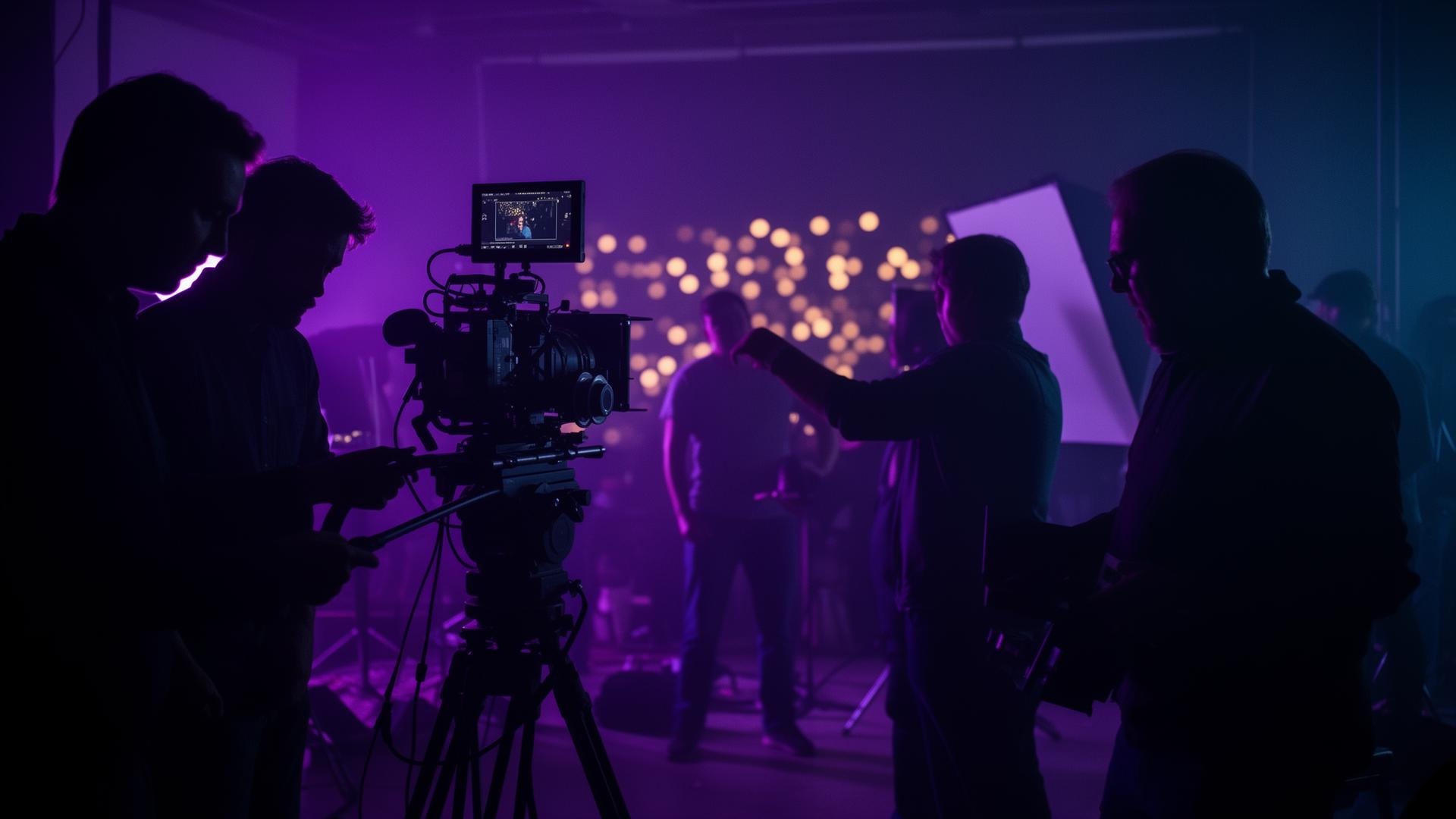
Lighting is another crucial factor in how colour influences mood in film. The colour temperature of light sources can transform how environments are perceived.

Warm lighting, often associated with tungsten sources or sunset tones, creates feelings of comfort, intimacy, and familiarity. It softens environments and encourages emotional warmth.

Cool lighting, often associated with fluorescent or moonlit environments, can introduce emotional distance. Cool tones often appear in scenes involving solitude, night settings, or emotional conflict.

The relationship between lighting and colour also interacts with character psychology. A character experiencing emotional isolation may be placed in colder lighting environments. Moments of reconciliation or comfort may shift toward warmer palettes.

These transitions do not need to be obvious to be effective. Often the most powerful colour shifts occur gradually, allowing the audience to feel emotional transitions before they consciously notice them.

Lighting therefore becomes not only a practical necessity but a narrative tool.

 
Colour in film is not decoration. It’s emotional storytelling.
 

Colour Progression Across a Film

Understanding how colour influences mood in film also requires examining how colour evolves throughout a story. Many films develop visual arcs that parallel character or narrative development.

Early scenes may establish a neutral or stable palette. As conflict intensifies, colour choices may become more extreme or distorted. By the film’s resolution, the palette may return to balance or shift toward a new emotional equilibrium.

These visual arcs can mirror character transformation. A protagonist beginning in a safe environment may inhabit warm tones. As their world destabilises, colder or more saturated colours may dominate the frame. The final act may introduce a new palette reflecting growth or change.

This progression allows colour to function as narrative structure rather than isolated stylistic moments.

Filmmakers who plan these visual arcs carefully create emotional continuity that reinforces the story’s themes.


Costume and Character Identity

Costume design plays an important role in how colour influences mood in film because it connects colour directly to character identity.

Characters may be associated with specific colours that reflect personality, emotional state, or narrative role. These colours may evolve as the character changes throughout the story.

A character beginning in muted tones may gradually adopt brighter colours as confidence grows. Another character may shift toward darker palettes as conflict intensifies.

Costume colour also helps differentiate characters visually within shared spaces. In crowded scenes, colour can subtly guide audience attention toward the narrative focus.

When coordinated with production design and lighting, costume colour strengthens the emotional coherence of the film’s visual language.


Colour Grading and Final Emotional Tone

Colour grading is often where the final expression of how colour influences mood in film takes shape. During post-production, filmmakers refine the film’s palette to emphasise emotional tone.

Colour grading can shift saturation, contrast, and hue to create consistent visual atmosphere. A film may lean toward cooler tones overall or introduce warmer highlights to soften emotional moments.

This stage allows filmmakers to unify footage captured across different locations or lighting conditions. It also provides opportunities to intensify emotional impact by emphasising specific colour relationships.

However, effective colour grading depends on intentional choices made earlier in production. If colour design is not considered during shooting, post-production adjustments can only do so much.

The strongest films treat colour as a narrative element from the earliest stages of planning.

Before audiences understand a scene, they feel it. Colour often decides how.
 

Why Colour Matters More Than Audiences Realise

Many viewers experience colour emotionally without consciously recognising its influence. This subtlety is precisely what makes colour such a powerful tool.

When filmmakers understand how colour influences mood in film, they gain the ability to guide emotional interpretation quietly. Colour can reinforce tension, soften conflict, highlight symbolism, or create contrast between narrative worlds.

Because these effects operate beneath conscious awareness, they rarely feel manipulative. Instead, they feel natural.

For filmmakers, colour becomes a form of storytelling that communicates without explanation.


Final Thoughts

Colour is one of cinema’s most expressive tools. Through lighting, design, costume, and grading, filmmakers create emotional landscapes that shape how audiences experience stories.

Understanding how colour influences mood in film allows filmmakers to move beyond visual aesthetics and into emotional design. Colour becomes more than beauty or style. It becomes narrative architecture.

When used intentionally, colour does not simply decorate a film’s world. It defines how that world feels.


Welcome to FILMD

Discover the power of FILMD, the ultimate web application for independent filmmakers in the UK. Unlock a world of opportunities, connect with like-minded creatives, and elevate your filmmaking journey. Join FILMD and unleash your cinematic potential today.

Share on facebook
Share on twitter
Share on linkedin
Share on pinterest
Share on reddit
Share on whatsapp
Share on email

Love it?  Share it!

Never Miss A Beat

Get the latest articles, insights and updates from FILMD delivered straight to your inbox! 

Others Also Read...