What Makes a Film “Arthouse”?
The term “arthouse” is used constantly in film culture, yet it remains one of the most slippery and misunderstood labels in cinema. For some, it signifies prestige and seriousness. For others, it suggests difficulty, slowness, or obscurity.
The term “arthouse” is used constantly in film culture, yet it remains one of the most slippery and misunderstood labels in cinema. For some, it signifies prestige and seriousness. For others, it suggests difficulty, slowness, or obscurity. It is applied to everything from low-budget festival films to formally daring studio releases, often without clarity about what the term actually means.
So, what makes a film arthouse?
The answer is not found in budget size, box office performance, or even where a film is shown. Arthouse cinema is defined less by industry category and more by intention, form, and the relationship a film establishes with its audience. It is a way of thinking about cinema as an art form rather than a product, and about viewers as participants rather than consumers.
This essay explores what truly defines an arthouse film, how the label emerged, how it functions today, and why it continues to matter for filmmakers navigating an increasingly commercialised industry.
Arthouse Is an Approach, Not a Genre
One of the most important clarifications when asking what makes a film arthouse is that arthouse is not a genre. It does not describe subject matter in the way that horror, comedy, or thriller does. Instead, it describes an approach to storytelling and form.
Arthouse films can be funny, violent, romantic, or surreal. What unites them is not what they are about, but how they are made and what they prioritise. They often foreground mood over momentum, character over plot, and ambiguity over clarity.
This distinction matters because it prevents arthouse from becoming a checklist of stylistic quirks. A film is not arthouse because it is slow, bleak, or minimalist. It is arthouse because it treats cinema as a space for exploration rather than resolution.
The Centrality of Artistic Intention
At the heart of what makes a film arthouse is artistic intention. Arthouse films are typically driven by a filmmaker’s personal vision rather than by market demand or genre expectation.
This does not mean arthouse filmmakers ignore audiences. It means they prioritise expression, inquiry, and experimentation over accessibility or mass appeal. The film exists because the filmmaker has something to explore, not because there is a proven market for it.
This intention often manifests as risk. Arthouse films are willing to alienate some viewers in order to remain honest to their purpose. They do not guarantee satisfaction, closure, or comfort.
Narrative Freedom and Structural Experimentation
Arthouse cinema frequently challenges conventional narrative structures. Linear storytelling, clear causality, and tidy resolutions are often disrupted or abandoned entirely.
In understanding what makes a film arthouse, narrative freedom is a key factor. Stories may unfold episodically, loop back on themselves, or resist progression altogether. Events may be observed rather than explained. Endings may feel unresolved or open-ended.
This structural openness mirrors lived experience more than classical storytelling. Life rarely provides clear arcs or satisfying conclusions, and arthouse cinema often reflects that reality rather than correcting it.
Character as Presence Rather Than Function the Weight of Place
In mainstream cinema, characters often exist to serve plot. They want something, obstacles appear, and change occurs. Arthouse cinema frequently rejects this instrumental view of character.
A defining element of what makes a film arthouse is the way characters are allowed to exist without clear purpose or transformation. They may drift, repeat patterns, or remain emotionally opaque. Their value lies in their presence rather than their productivity within the narrative.
This approach invites the audience to observe rather than judge. Characters are not there to teach lessons or model behaviour. They are there to be witnessed.
Arthouse cinema isn’t defined by budget or genre. It’s defined by intention and risk.
FILMD
Ambiguity as a Feature, Not a Flaw
Arthouse films often embrace ambiguity. Motivations may be unclear. Symbolism may resist interpretation. Moral positions may remain unresolved.
For many viewers, this ambiguity is frustrating. For arthouse cinema, it is essential. Understanding what makes a film arthouse means recognising that meaning is not delivered but discovered.
The audience is invited to participate in interpretation, bringing their own experiences, questions, and emotions into the viewing process. The film does not explain itself because explanation would close down possibility.
Formal Experimentation and Cinematic Language
Arthouse films frequently experiment with form. This can include unconventional framing, long takes, silence, minimal dialogue, or non-traditional editing rhythms.
These formal choices are not decorative. They are central to what makes a film arthouse because they draw attention to cinema as a constructed medium. The film does not pretend to be invisible. It reminds the viewer that they are watching something made.
This self-awareness encourages critical engagement. The viewer is not simply absorbed into story, but made conscious of how meaning is created through image, sound, and time.
The Role of Time and Pacing
Pacing is one of the most immediately noticeable differences between arthouse and mainstream cinema. Arthouse films often move more slowly, but slowness alone does not define them.
What matters in what makes a film arthouse is how time is treated. Moments are allowed to linger. Silence is not rushed. Waiting, repetition, and stillness are given space.
This temporal openness allows emotion and meaning to accumulate gradually rather than being delivered in bursts. It requires patience, but it also rewards attention.
Audience Relationship and Expectation
Arthouse cinema assumes an active audience. It does not guide emotion through music cues or narrative signposting. It does not explain what to feel or when to feel it.
A key part of what makes a film arthouse is this shift in responsibility. The viewer is not a passive recipient but a collaborator in meaning-making. Watching becomes an act of engagement rather than consumption.
This relationship can feel demanding, but it is also empowering. The film trusts the audience’s intelligence and emotional capacity.
Arthouse and Authorship
The concept of the auteur is closely linked to arthouse cinema. Many arthouse films are strongly associated with individual filmmakers whose personal style and thematic concerns are recognisable across their work.
Directors such as Agnès Varda, Ingmar Bergman, and Chantal Akerman are often described as arthouse filmmakers not because of budget or genre, but because their films reflect a coherent artistic voice.
In this context, what makes a film arthouse is inseparable from who made it and why. The film feels authored rather than manufactured.
Distribution, Festivals, and the Arthouse Label
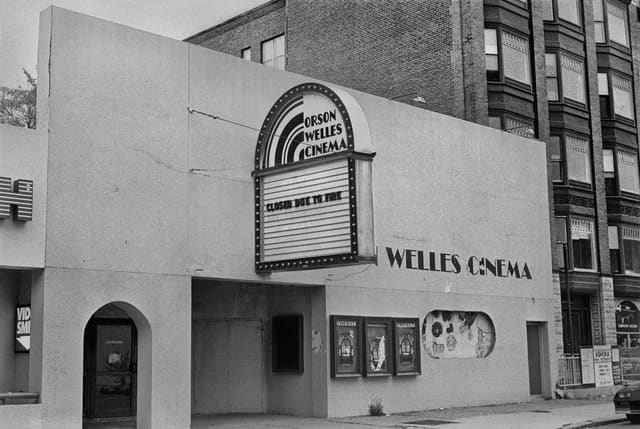
Historically, arthouse films were associated with independent cinemas, film societies, and festival circuits. While these spaces remain important, they do not define arthouse cinema on their own.
A film shown in a multiplex can be arthouse. A film shown at a festival can be conventional. Distribution context influences perception, but it does not determine what makes a film arthouse.
What matters is not where the film plays, but how it thinks.
What makes a film arthouse is not how easy it is to watch, but how much it asks you to engage.
FILMD
Arthouse vs Prestige Cinema
A common confusion lies between arthouse and prestige cinema. Prestige films often look serious, tackle important themes, and aim for awards recognition, but they may still follow conventional narrative and emotional structures.
Arthouse cinema, by contrast, is often less concerned with approval. It may resist emotional catharsis, avoid clear messaging, or reject conventional beauty altogether.
Understanding what makes a film arthouse requires separating seriousness from risk. Not all serious films are arthouse, and not all arthouse films announce their seriousness.
Why Arthouse Still Matters
In an industry increasingly driven by algorithms, franchises, and content strategies, arthouse cinema plays a vital role. It preserves cinema as a space for uncertainty, difficulty, and genuine exploration.
Arthouse films remind us that cinema does not have to reassure, entertain, or resolve. It can question, observe, and disturb. It can reflect the complexity of lived experience without simplifying it for ease of consumption.
This is why what makes a film arthouse is not a niche question. It is central to the health of cinema as an art form.
Final Thoughts
So, what makes a film arthouse?
It is not budget, genre, or audience size. It is intention over market logic, exploration over explanation, and presence over productivity. Arthouse cinema values ambiguity, authorship, and attention. It asks viewers to meet it halfway and rewards those willing to stay with uncertainty.
In a film culture increasingly shaped by speed and certainty, arthouse cinema insists on something quieter and more demanding: the freedom to not know, and the courage to keep looking anyway.